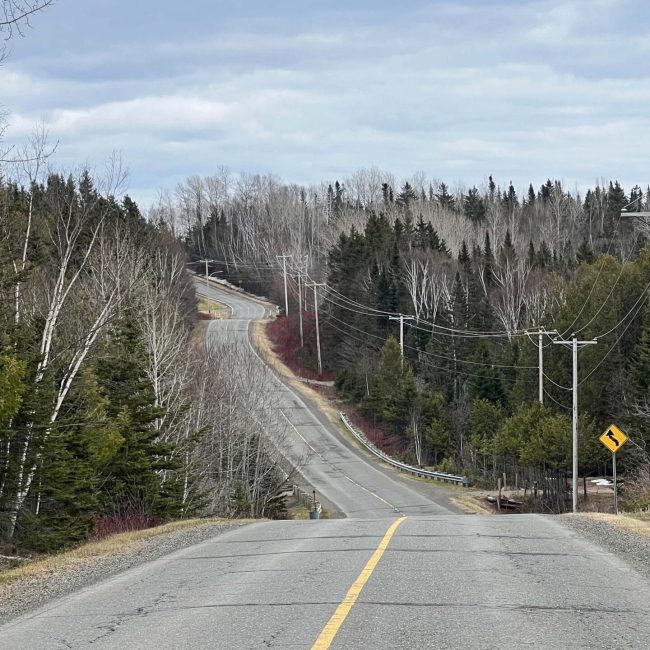
![Trou de la Bonne-Femme-Café [English]](https://topoesie.com/wp-content/uploads/2026/09/st_elzear_trou_bonne_femme_cafe_02.jpg)
![Trou de la Bonne-Femme-Café [English]](https://topoesie.com/wp-content/uploads/cache/images/fixe/st_elzear_trou_bonne_femme_cafe_02/st_elzear_trou_bonne_femme_cafe_02-3377888169.jpg)



Lire la version française >
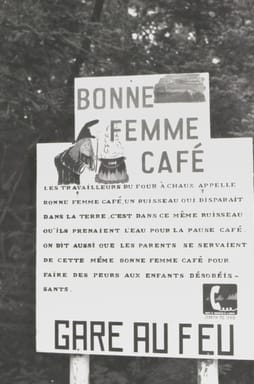
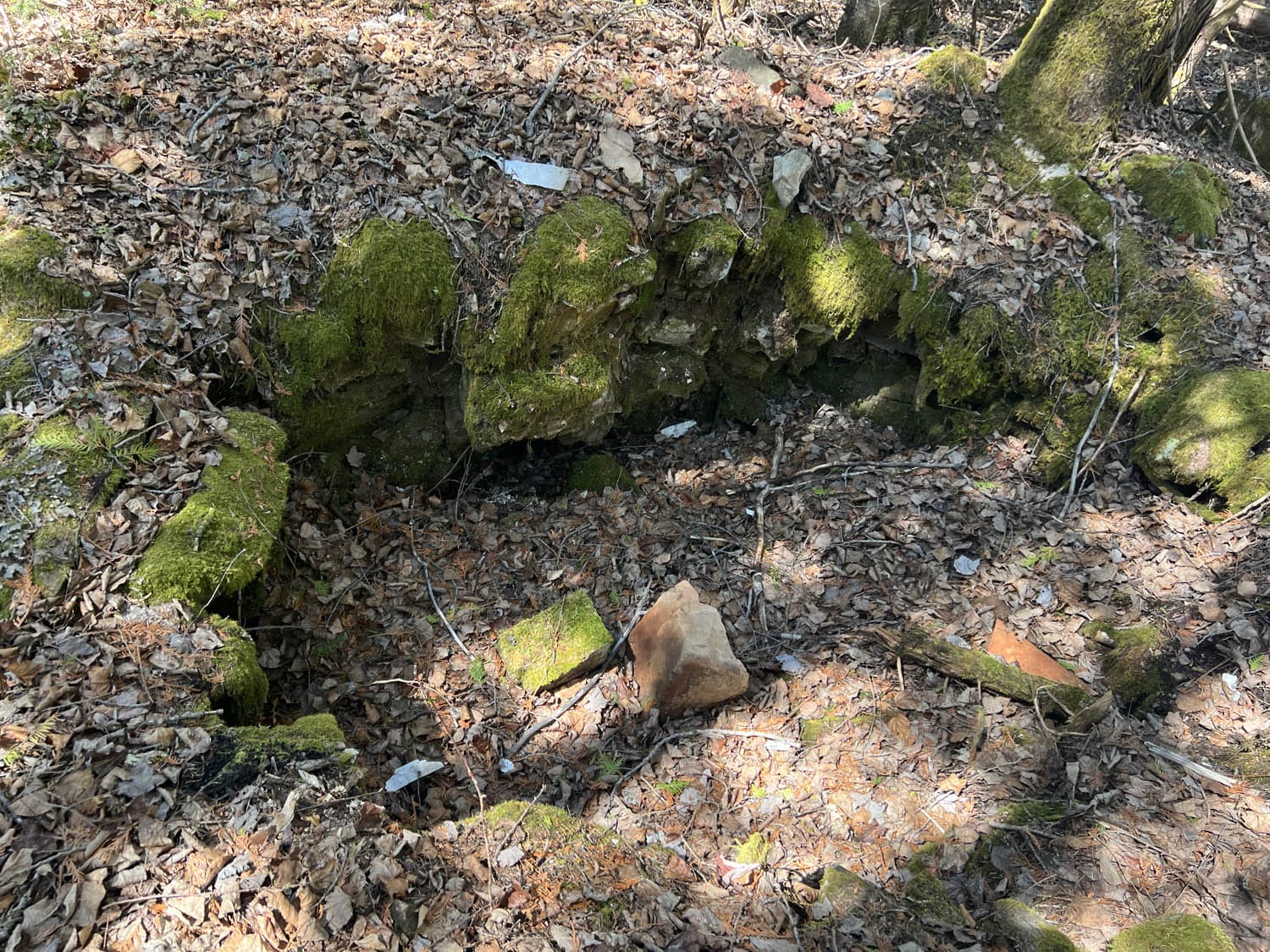
This story has everything: a fire burning in the woods for seven days and seven nights,1 a witch prowling,2 a bottomless pit3 echoing endlessly, children defying their parents… All it takes is to ride the wave of rumour and borrow a few strings from reality as reins, and voilà, the story of the Bonne Femme Café (the wonderful coffee woman) is passed down through the generations
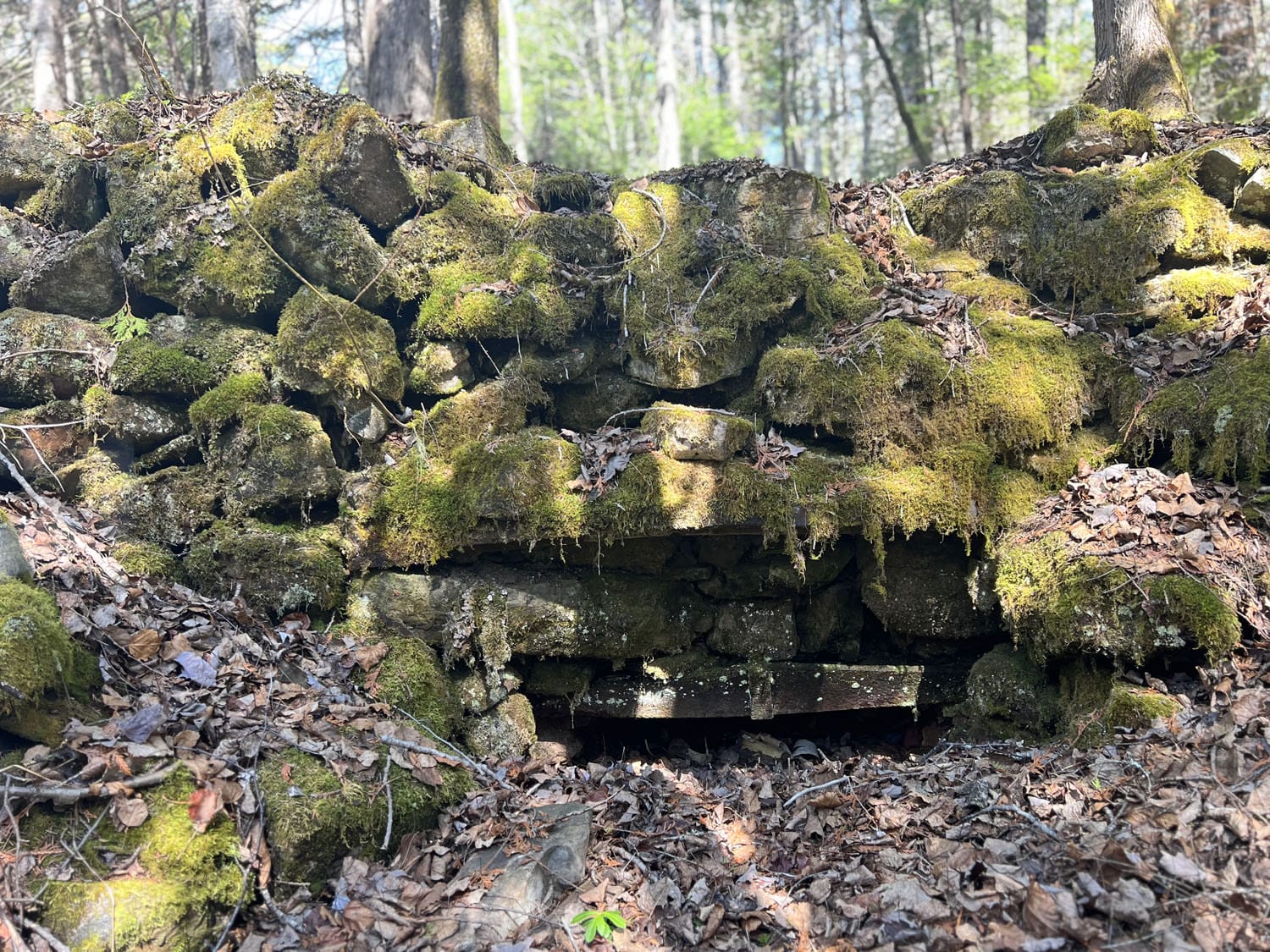
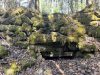
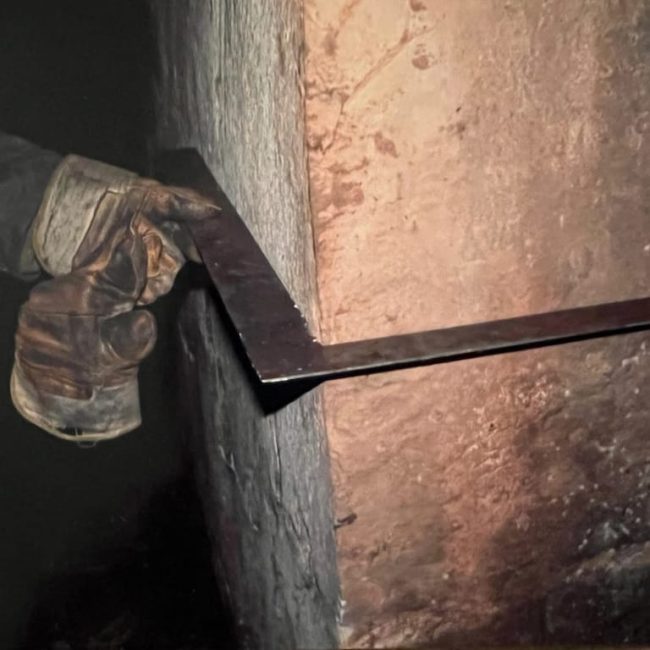
People believed it was dangerous, so to keep their children away, they stoked the fire of their imaginations. Close to the site in the late 1930s, a lime kiln was kept burning to “produce the lime needed to improve the soil, disinfect houses and stables, and to whitewash buildings. […] It took six to seven days to get the kiln burning” and “[…] it took 9–11 days to bake the limestone…”4 24 hours a day. A small group would set up camp nearby so they could take turns stoking the fire. There was probably more than one Bonne Femme Café. It’s suspected that she, in fact, represents all the women who came to bring food to the workers… And make coffee using the stream water.
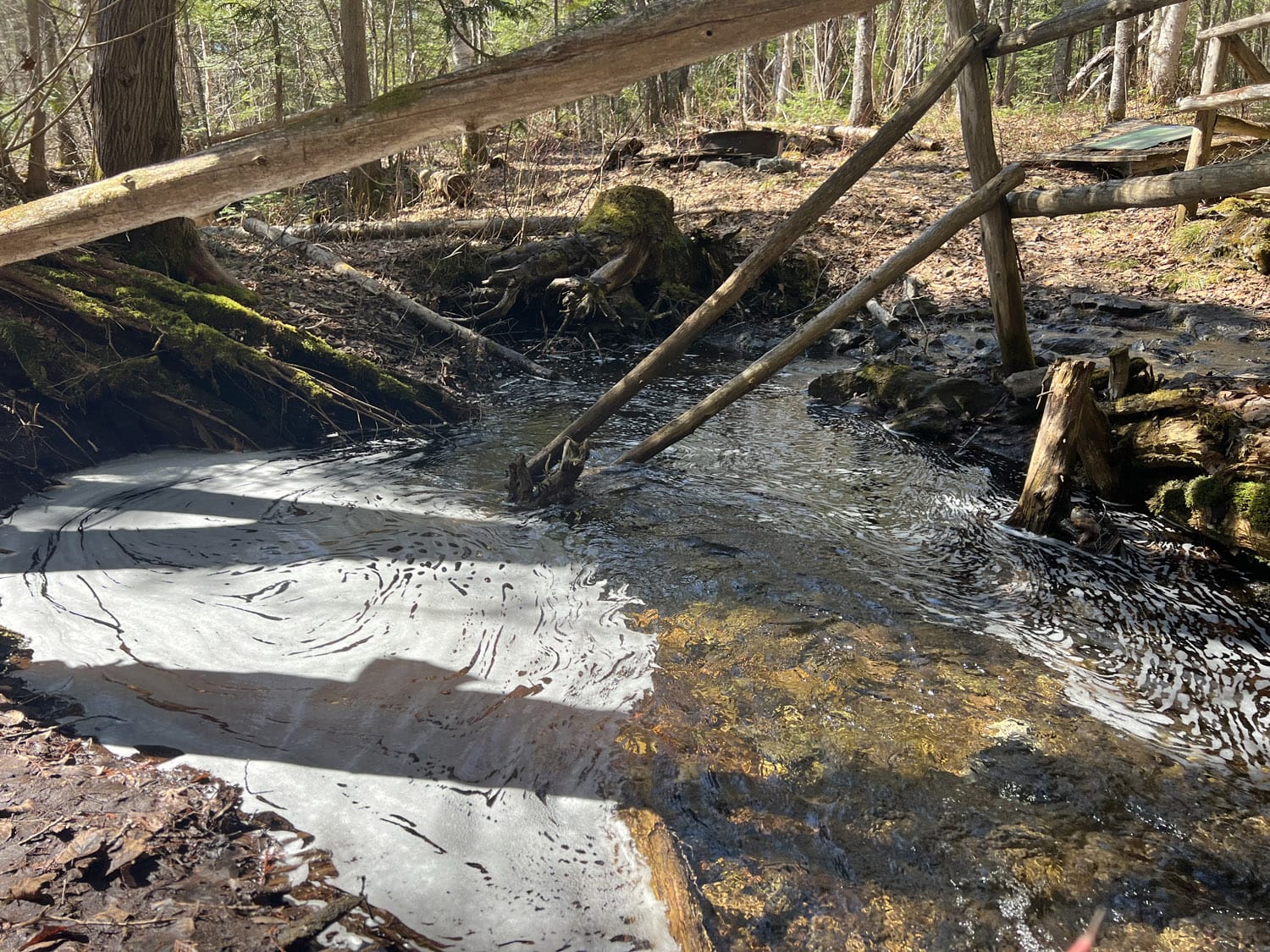
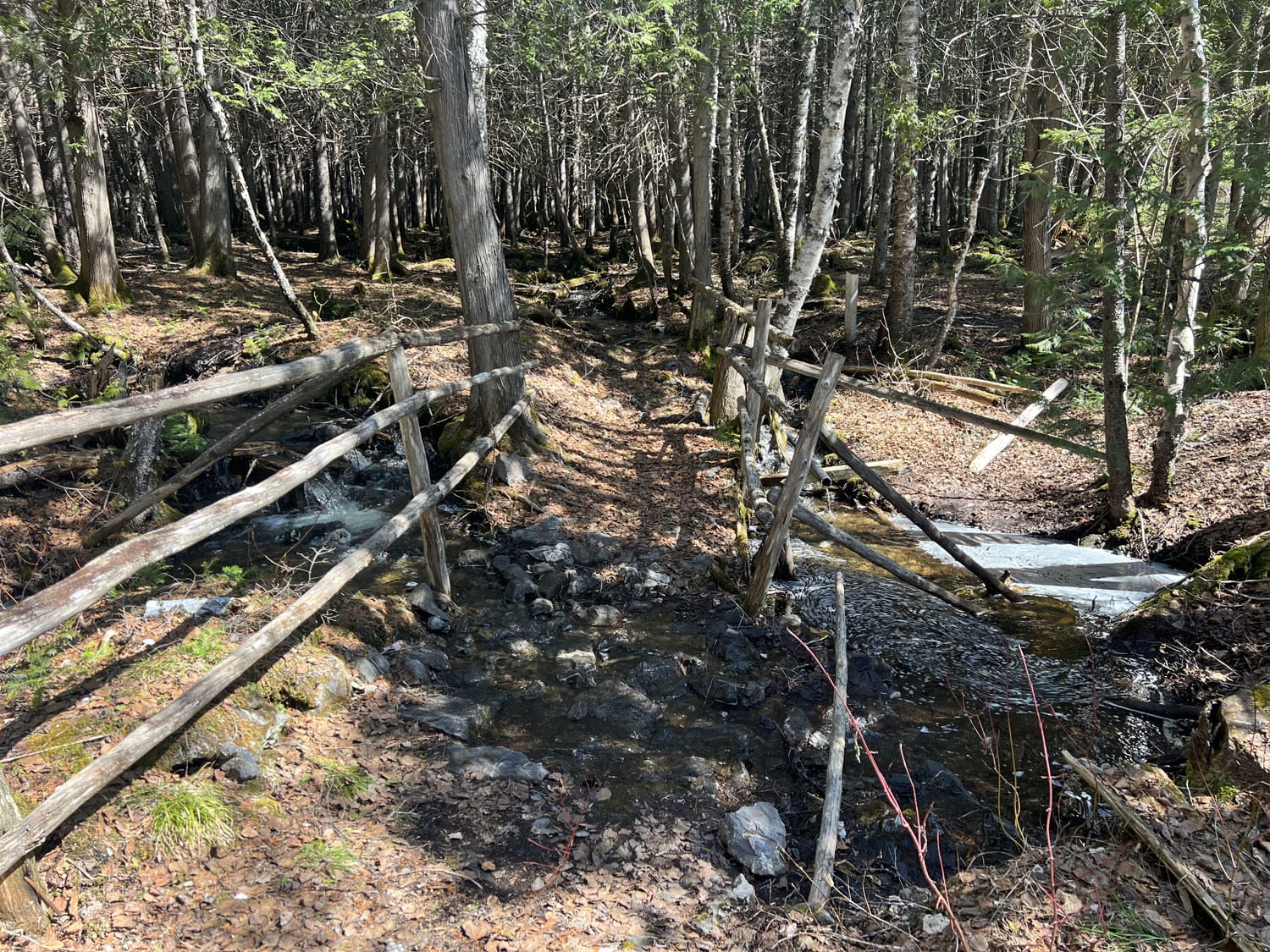
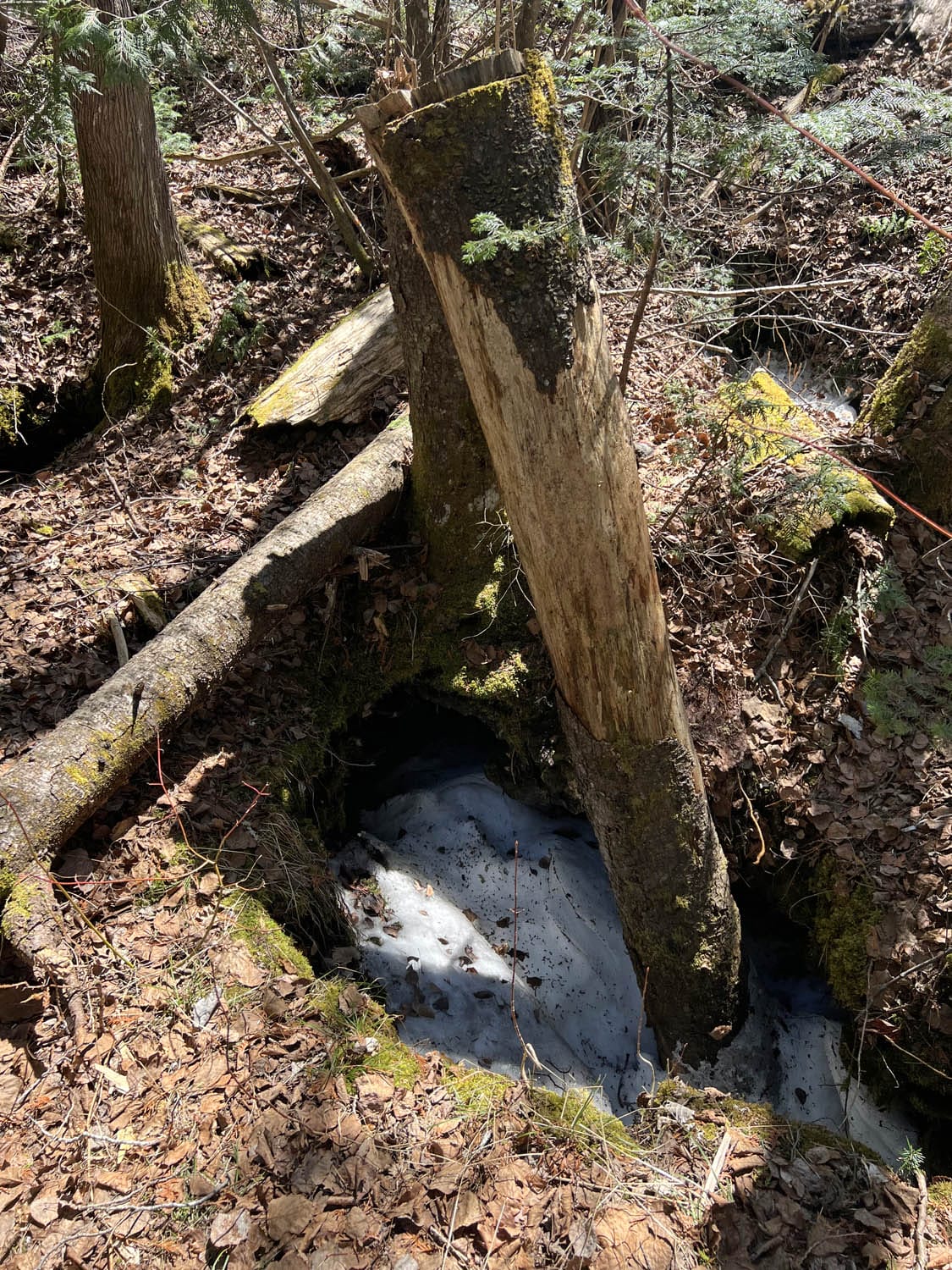
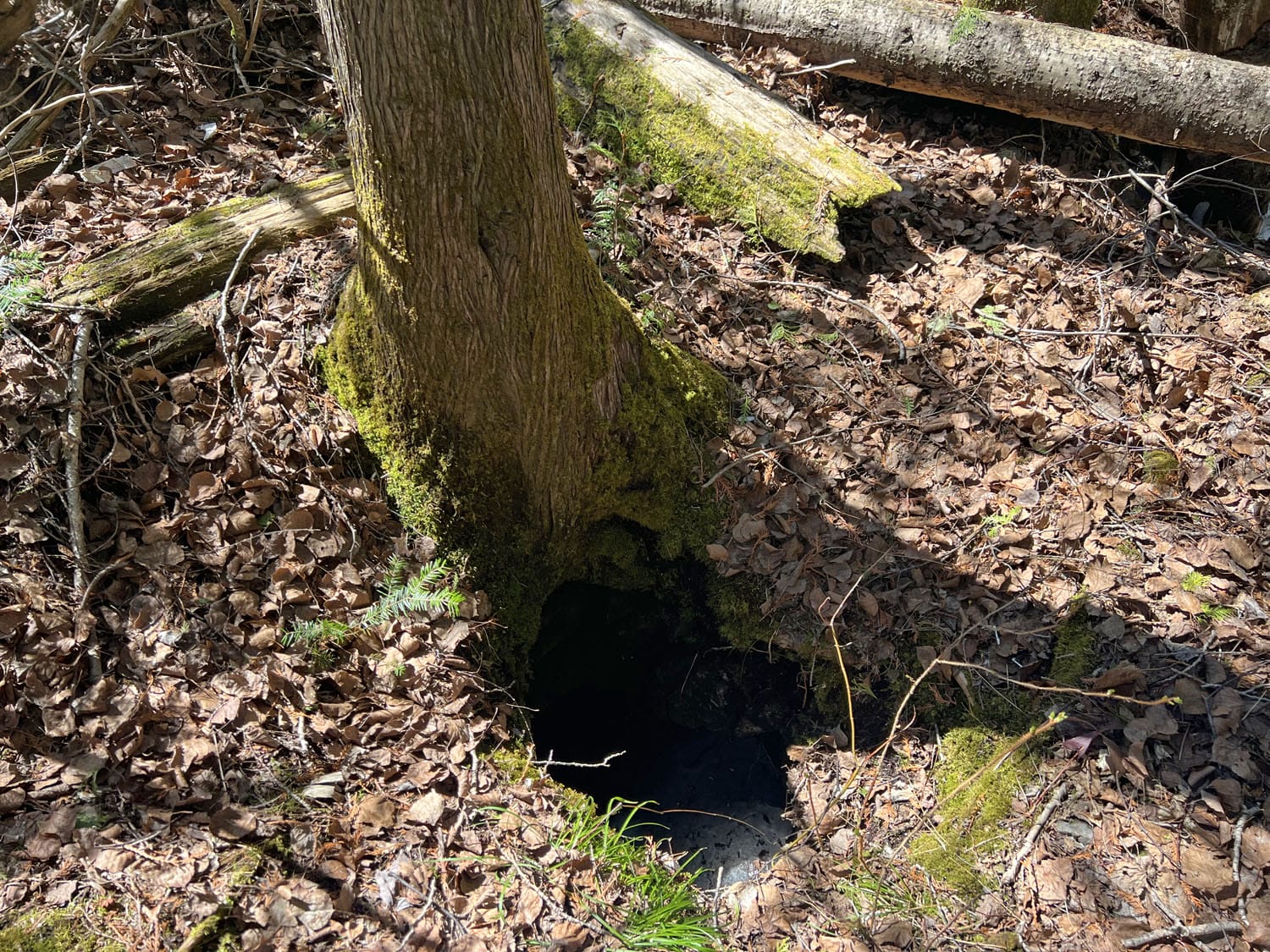
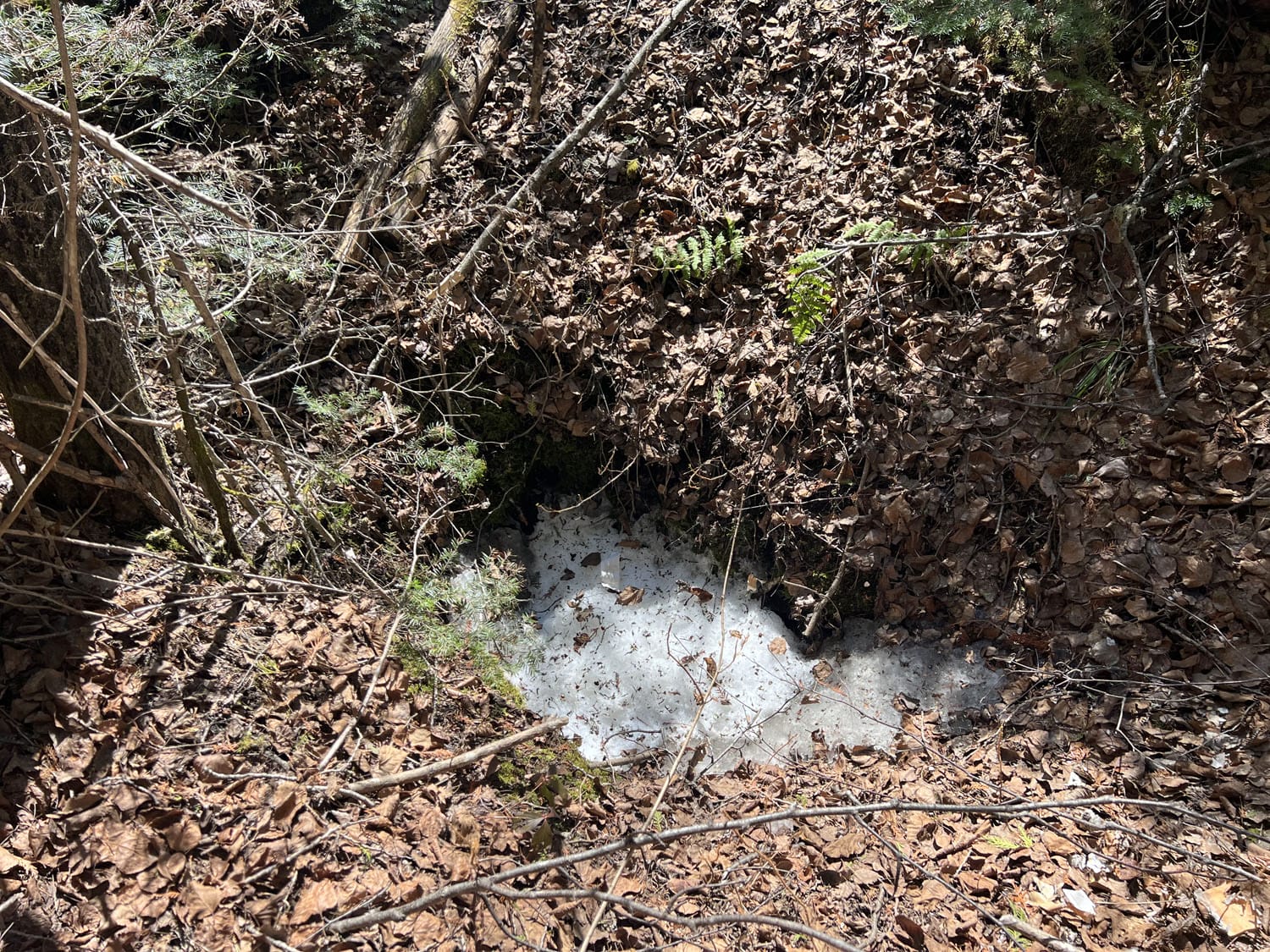
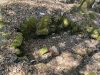
“The stream disappears” here, vanishing underground. For a long time, nobody even knew that it reappeared like the trou à Hector (Hector’s Hole). The limestone soil is crumbly, creating cavities and adding to the site’s mysterious nature. It seems risky to venture here, but modern science shows that the hole is not at all an abyss; in fact, it’s only about three meters deep.5
 DÉCOUVRIR >
tous les lieux-dits de cette ville
DÉCOUVRIR >
tous les lieux-dits de cette ville
AUDIO
[FRENCH] Interview with Marie-Louis and Monette Bourdages, April10, 2025.
“Our elders told us scary stories.”
The old lime kiln.
“Everything here was done with cooperatives.”
“The whole family knew about it.”
[FRENCH] Interview with Pâquerette Poirier and Michel Beaupré, May 15, 2025.
Women came to make coffee with water from the stream.
Geological formation.
Explosive fishing.
How to choose limestone.
Defying prohibitions.
Clues to detecting caves.
[FRENCH] Interview with Louisette Henry, April 9, 2025.
“I went with the children from the school.”
NOTES
1 Source : Interpretive panel located near the remains of the lime kiln, Saint-Elzéar.
2 Marie-Louis Bourdages, story collected by the artist, April 10, 2025.
3 Ibid.
4 Interpretive panel, op. cit.
5 Michel Beaupré, story collected by the artist, May 15, 2025.
IMAGES
1. to 6. and 8-9. Marie-Claude De Souza, 2025.
7. Comté de Bonaventure – Rapport de synthèse, 1982, Archives nationales à Québec, Fonds Ministère de la Culture et des Communications, p. 209, (03Q,E6,S8,SS2,SSS9,D5). Collection Bibliothèque et Archives nationales du Québec.
![Pont aux Amoureux/Lovers’ Lane [English]](https://topoesie.com/wp-content/uploads/cache/images/fixe/new_carlisle_lovers_lane_01/new_carlisle_lovers_lane_01-4146941841.jpg)

![Iron Bridge [Pont de Fer]](https://topoesie.com/wp-content/uploads/cache/images/fixe/shigawake_iron_bridge_01/shigawake_iron_bridge_01-2014767034.jpg)
![Rocher Christie/Christie’s Rock [English]](https://topoesie.com/wp-content/uploads/cache/images/fixe/new_carlisle_christies_rock_00/new_carlisle_christies_rock_00-1507738220.jpg)